On this page
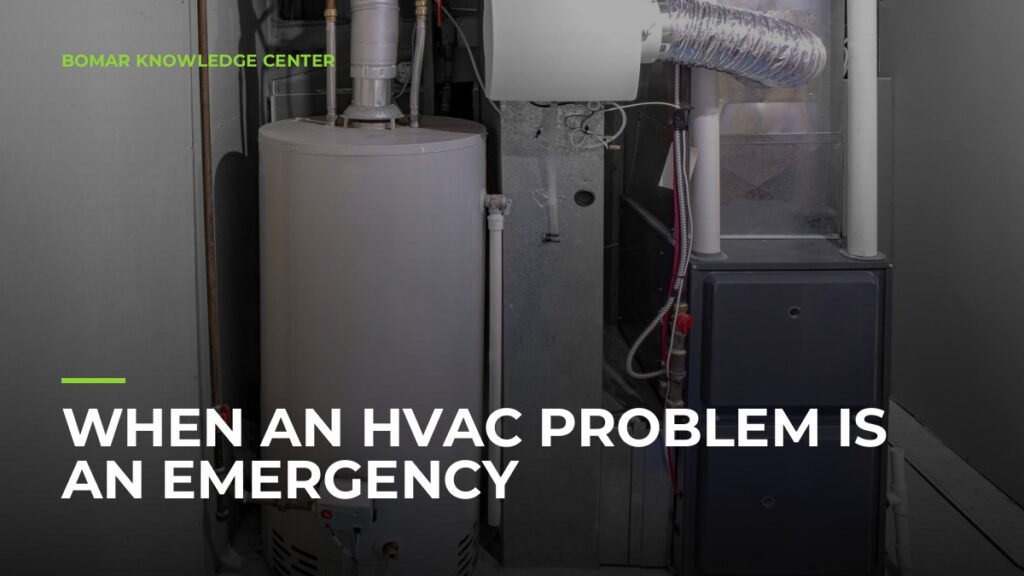
An HVAC problem is an emergency when it creates a credible risk of fire, electric shock, gas release, carbon-monoxide exposure, severe water damage or unsafe indoor temperature. Gas odor, a carbon-monoxide alarm, smoke, fire, sparking and possible poisoning symptoms call for evacuation and emergency help. Repeated breaker trips, burning electrical odor, major water leakage and complete heating loss in dangerous cold require urgent shutdown and prompt professional response.
A loss of comfort and a life-safety emergency are not the same. The action should match the hazard.
Leave the Home for Gas Carbon Monoxide Smoke or Fire
Do not stay inside to find the source when:
- a carbon-monoxide alarm sounds;
- you smell natural gas or propane;
- smoke or flame is coming from equipment, ducts, vents or wiring;
- sparking or arcing is visible;
- multiple people develop sudden headache, dizziness, weakness, nausea, chest pain or confusion near fuel-burning equipment.
Move everyone to fresh air. Call 911 for fire or medical danger. Follow the gas utility’s emergency instructions for a suspected gas leak. Do not operate electrical switches, phones or vehicles inside the affected area, and do not re-enter until responders say it is safe.
Carbon monoxide is odorless and colorless. The odorant in natural gas warns of unburned gas, not carbon monoxide. A home can have a CO hazard without a gas smell.
Carbon Monoxide Requires a Separate Safety Plan
Fuel-burning furnaces, boilers, water heaters, fireplaces, generators and vehicles can produce carbon monoxide. Problems with combustion, venting, installation or maintenance can allow it to accumulate indoors.
The CDC lists headache, dizziness, weakness, upset stomach, vomiting, chest pain and confusion among common symptoms. Sleeping people may not recognize symptoms before becoming seriously ill.
Use battery-operated or battery-backup CO alarms near sleeping areas and follow the alarm manufacturer’s placement and replacement instructions. An alarm is not a substitute for annual service and correct venting.
If an alarm sounds, leave. Do not silence it and restart the furnace as a test. Emergency responders or the gas utility may need to evaluate the space before HVAC diagnosis begins.
Electrical Warning Signs Need Immediate Shutdown
Turn the system off at the thermostat and, when it is safe to do so, at the appropriate breaker if you notice:
- sparking or arcing;
- smoke from equipment or wiring;
- a strong electrical or melting-plastic odor;
- a breaker that trips repeatedly;
- scorched wiring or controls;
- buzzing accompanied by heat or odor;
- water contacting electrical equipment.
Call 911 for active fire, smoke or imminent danger. Do not touch equipment while standing in water. Do not replace a fuse with a larger size, hold a breaker on, bypass a switch or continue cycling the system.
A brief dust smell when a furnace first operates after months of inactivity can occur, but persistent burning odor, visible smoke or an odor that intensifies is different. Shut the system down and have it evaluated.
Water Can Create Electrical and Building Damage
Air conditioners, high-efficiency furnaces, humidifiers and boilers can release water when drains, pumps, pans, valves, piping or heat exchangers fail.
Urgent action is warranted when water is:
- reaching electrical components, outlets or the service panel;
- flowing through a ceiling or near finished areas;
- coming from a pressurized boiler or relief discharge;
- spreading faster than it can be contained;
- associated with a frozen or burst pipe;
- returning after a safety or drain reset.
Stop the equipment using normal controls if safe. Use the building water shutoff when appropriate and known. Do not cap a boiler relief valve, bypass an overflow switch or open pressurized equipment.
Small condensate leakage may not require 911, but it still deserves prompt correction. Moisture can damage finishes and create conditions for microbial growth.
No Heat Can Become an Environmental Emergency
A furnace failure does not always create immediate equipment danger. It can still become urgent when outdoor temperatures are below freezing, indoor temperature is falling, pipes are exposed or vulnerable people are present.
Use the no-heat checklist for safe thermostat, power, filter and visible vent checks. Then arrange repair and move people to a safe warm location if the home cannot maintain a safe temperature.
Never use a gas oven, grill, charcoal device, outdoor heater or generator indoors. Portable generators belong outdoors, well away from windows, doors and vents according to current CPSC and CDC guidance.
Loss of Cooling Can Also Be Urgent
An ordinary AC failure is usually a priority repair rather than a life-safety emergency. Risk rises during extreme heat, especially for older adults, infants and people with medical conditions.
Move vulnerable occupants to an air-conditioned location when the home is becoming unsafe. Hydrate according to medical guidance, reduce heat-producing activity and use local emergency resources when someone shows signs of heat illness.
The HVAC system itself needs urgent shutdown if the failure includes smoke, electrical odor, repeated breaker trips, severe water leakage or a stalled outdoor fan with abnormal sound. For ordinary warm-air complaints, use the AC warm-air checks.
Unusual Noise Is Urgent When It Signals Damage
Not every rattle is an emergency. Stop the system promptly when noise includes:
- metal-on-metal grinding;
- an explosion-like boom at ignition;
- violent shaking or repeated hard impacts;
- a stalled motor humming while overheating;
- electrical arcing or sizzling;
- a boiler banging with abnormal pressure or water discharge.
Note when the sound occurs: startup, burner ignition, blower operation, compressor start or shutdown. Do not remove guards or panels to locate it.
Four Levels of Response
| Situation | Response |
|---|---|
| Gas odor, CO alarm, fire, smoke, sparking, poisoning symptoms | Leave immediately and call the appropriate emergency service or gas utility from outside |
| Repeated breaker trip, burning odor, major water leak, violent equipment noise | Shut down if safe and request urgent professional service |
| No heat in dangerous cold or no cooling with vulnerable occupants in extreme heat | Protect people and property, relocate if needed, and request priority service |
| Reduced comfort without hazard signs | Make safe basic checks, document symptoms and schedule diagnosis |
This table is a decision aid, not a substitute for emergency instructions. When you are unsure whether a condition is dangerous, choose the safer response.
What Not to Do
- Do not bypass a limit, pressure switch, float switch, flame safeguard or door interlock.
- Do not repeatedly reset a breaker or furnace lockout.
- Do not handle refrigerant or open a sealed refrigeration circuit.
- Do not adjust gas pressure, valves, burners or combustion controls.
- Do not cap a boiler relief valve.
- Do not use an open flame to find a gas leak or thaw a pipe.
- Do not run a generator in a house, garage, basement, crawlspace or near openings.
- Do not rely on internet diagnosis when a safety alarm or active hazard is present.
Prepare Before the Next Failure
Save Bomar’s number, the gas utility emergency number and local emergency contacts where household members can find them. Know the locations of normal HVAC switches, electrical breakers and the main water shutoff. Maintain working smoke and carbon-monoxide alarms.
Keep equipment model numbers, service records and filter size available. Have fuel-burning heating equipment, vents and related appliances inspected and serviced according to manufacturer and qualified-professional guidance.
Preparation does not prevent every failure, but it reduces dangerous improvisation during severe weather.
Request HVAC Service From Bomar
Bomar Heating and Cooling provides heating repair and AC repair across its Northern Illinois service area. For a service request, call (815) 233-1622 or use the contact form. For fire, gas, carbon-monoxide or medical danger, contact emergency services first.
Frequently Asked Questions
Is a burning smell from the furnace always an emergency?
A brief dust odor at first seasonal startup can occur. Persistent or intensifying odor, melting-plastic smell, smoke, sparking or repeated shutdown is not normal. Turn the system off and seek prompt help; call emergency services for active smoke or fire.
Should I call an HVAC company when a CO alarm sounds?
Leave the home first and call emergency services or follow local gas-utility instructions from outside. HVAC service may be part of the investigation after the space is declared safe.
Is a tripped breaker an HVAC emergency?
One trip may result from a transient event, but a breaker that trips again indicates a fault. Leave it off and request service. Smoke, sparking or burning odor elevates it to an emergency.
Is water around the furnace dangerous?
It can be, especially near wiring or when water is spreading through the building. Shut equipment down if safe, avoid wet electrical areas and arrange prompt diagnosis.
Sources and Further Reading
Talk with Bomar
Get help with your home comfort
Request contact and service request or an in-home assessment from Bomar Heating and Cooling.
Keep exploring
Air Conditioning and Summer Comfort
AC Blowing Warm Air Causes and Safe First Checks
An air conditioner may blow warm air because the thermostat is in the wrong mode, the indoor blower is running while the outdoor unit is…
Read article : AC Blowing Warm Air Causes and Safe First Checks
HVAC Knowledge Center
HVAC Repair in Loves Park: What to Do When Comfort Stops
Know what to report when heating or cooling stops in Loves Park. Learn safe first steps, useful diagnostic details and questions to ask about repairs.
Read article : HVAC Repair in Loves Park: What to Do When Comfort Stops
Furnaces and Cold Weather Heating
Heat Exchanger Problems Warning Signs and Safety Limits
A furnace heat exchanger separates the combustion side of the appliance from the air that circulates through your home. If the exchanger is damaged, corroded or…
Read article : Heat Exchanger Problems Warning Signs and Safety Limits